What Is Data Cabling? A Beginner’s Guide for Business Owners
If your office relies on computers, phones, security cameras, or Wi-Fi, your entire operation quietly depends on one thing: data cabling. It’s not flashy, but without it, your tech grinds to a halt. And in a city where business telecommunication in Lubbock Texas keeps companies moving fast, understanding the basics matters more than most owners realize.
This guide breaks down what data cabling is, how it works, the types you should know, and how the right setup can future-proof your business. You’ll also see why choosing dependable experts like Hays Communications makes a major difference—especially with so many telecom providers serving Lubbock competing for attention.
What Data Cabling Actually Means
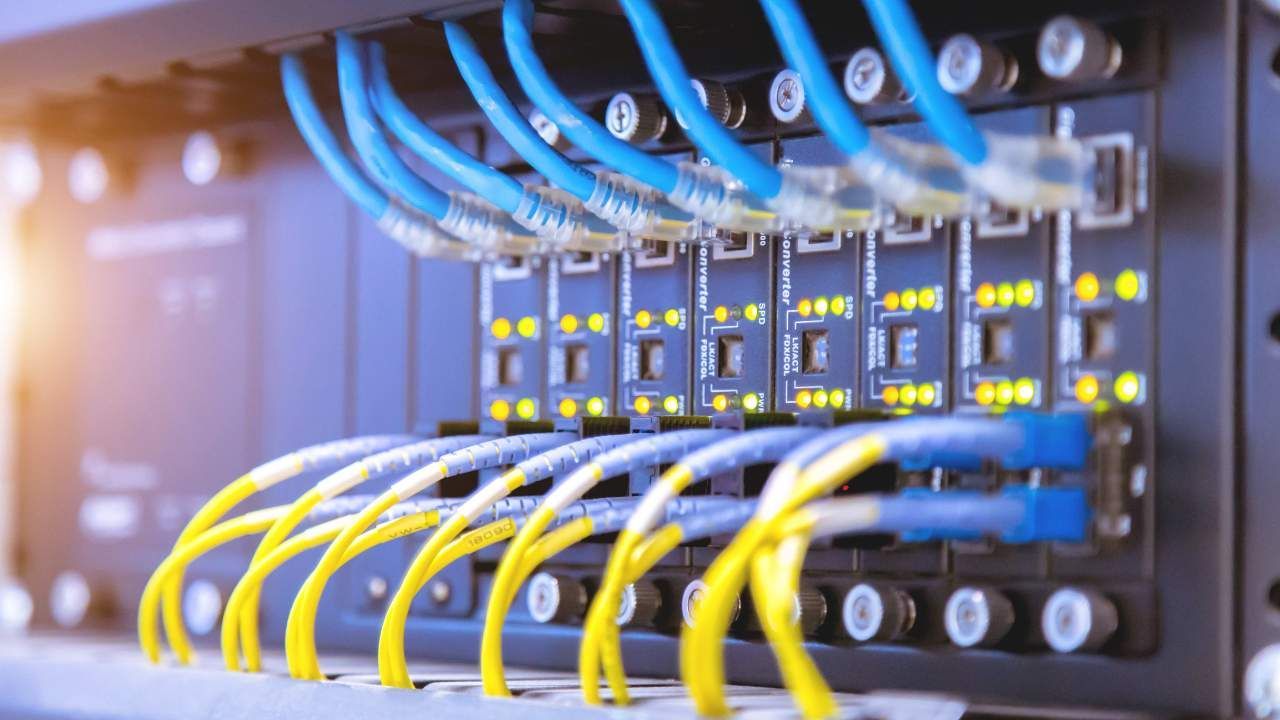
Data cabling is the physical wiring that connects your devices so they can communicate. Every email, video call, credit card swipe, security feed, and download runs through a structured cabling system.
Think of it as your building’s digital nervous system. When the cabling is clean, organized, and properly installed, everything just works. When it’s not, you get slow internet, dropped calls, unreliable security cameras, and mounting frustration across your team.
A strong data cabling system usually includes:
- Ethernet cables (Cat5e, Cat6, Cat6a, etc.)
- Patch panels
- Wi-Fi access point connections
- Phone system wiring
- Network racks and hardware
- Fiber optic lines for high-speed networks
Why Your Business Needs Reliable Cabling
Weak cabling doesn’t just slow down productivity—it creates hidden costs. Employees waste time. Cloud systems lag. Video meetings start glitching. Customers wait longer.
High-quality cabling, on the other hand, gives you:
- Stable internet speeds
- Clearer VoIP phone calls
- Room for future tech upgrades
- A cleaner, safer, organized workspace
- Better network security
Good cabling is one of the cheapest ways to improve your tech without replacing expensive devices.
Choosing the Right Cabling for Your Office
Not all cables are built the same. Here’s what most business owners should know:
Cat5e
Affordable but aging. Works for small offices with basic needs.
Cat6
The new standard. Fast, reliable, and future-friendly.
Cat6a
Better shielding and higher speeds—great for large networks or heavy data use.
Fiber Optic Cable
Blazing speed, long-distance performance, and very low interference. Ideal for growing companies.
If you’re not sure which is right for you, a professional assessment pays off. Many teams discover their building already has outdated wiring that bottlenecks everything else.
Case Study: How One Small Office Fixed Their Slow Network
A local insurance agency had constant Wi-Fi dead zones, glitchy phones, and slow uploads. Their staff blamed the internet provider—until a technician found the real culprit: a patchwork of old Cat5 cabling installed over 15 years by different vendors.
They upgraded to Cat6, cleaned up their network rack, and repositioned access point wiring. The result? A 40% increase in speed, customer calls that no longer drop, and a workflow that finally moves the way it should.
That’s the power of modern cabling.
Installation Matters More Than Most Business Owners Realize
Even the best cable in the world fails if it’s installed poorly. Sharp bends, overcrowded conduits, loose connectors, and bad termination can cripple your network.
A professional team will:
- Map out cable routes
- Label everything clearly
- Test each line for performance
- Keep wiring organized and accessible
- Ensure safety and fire-code compliance
This is where expertise truly pays off.
Final Thoughts
Data cabling isn’t something you think about every day—but when it’s done right, your business runs smoother, faster, and more reliably. If your network feels sluggish or outdated, upgrading your cabling may be the smartest first step.
Ready to modernize your office network? Reach out to a trusted local cabling expert and get your business running at full speed.